
Maintenance & Inspections
Trouble under the floor or in the attic can go unnoticed for years. An inspection is how it gets noticed while it’s still small.
A good one is dirty work. It means crawling the length of the house on elbows, reading every joist and pier with a flashlight, then doing it over in the attic with the insulation up to the knees. It also means walking the outside: the soil line, the eaves, the decks, the spots where water sits.
Pests aren’t the only thing that turns up down there. Undersized posts, cut joists, dripping drains and missing vents come to light on the same crawl, and you’ll hear about those too. Then come the choices, in plain words, and the upkeep that will protect the house from here.
Real Estate Inspections and Reports
Buying or selling? The inspection comes with a written report, so everyone at the table reads the same thing. In California, these reports usually sort findings into two groups: active infestation and the damage it caused, and conditions likely to lead to trouble later. Lenders and buyers mostly care about the first group. Smart owners read the second one twice.
Any place that couldn’t be reached should be listed too: a locked closet, a sealed crawl space, an attic stuffed with boxes. Open those up before the visit and the report comes out cleaner.
The Pest Calendar
| Season | Pests to watch for | What to look for at home |
|---|---|---|
| Spring | Swarming subterranean termites, ants, nesting birds, wasps starting small | Wings on sills after a warm day, ant trails at the slab, twigs sticking out of vents |
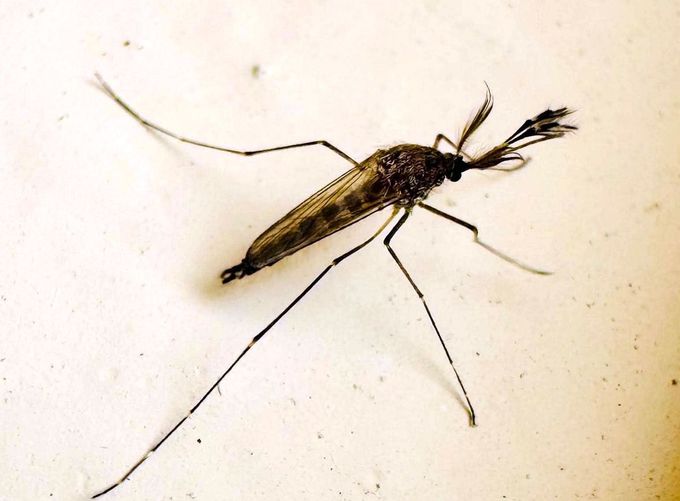
| Summer | Ants after water, spiders, earwigs, mosquitoes | Trails to sinks and pet bowls, webs at porch lights, wet mulch against the wall, any bucket holding water |
| Fall | Drywood termite swarms, rats and mice moving in | Gritty pellets under beams, droppings in the garage, fruit left on the tree, gaps at the roofline |
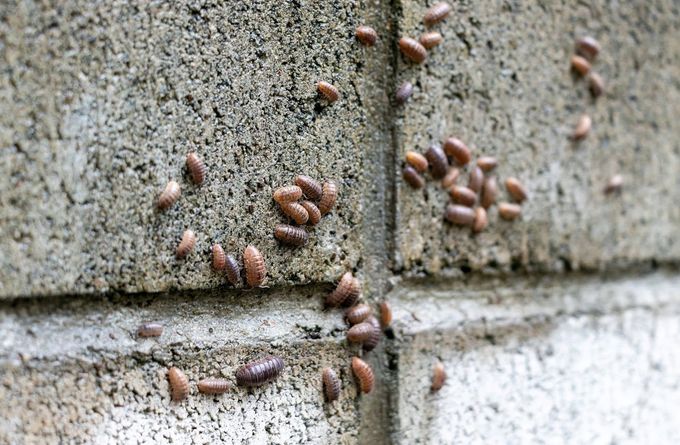
| Winter | Rodents in attics, subterranean termites in wet soil, pill bugs | Noise overhead, standing water in the crawl space, damp block walls, clogged gutters |
Where Termites and Pests Show Up First
- Crawl space. Mud tubes on piers, wood scraps on the soil, sagging insulation.
- Garage. Bottom corners of the door frame, cracks in the slab, boxes on the floor.
- Eaves. Rafter tails, fascia ends, vents without screen.
- Window sills. Wings, pellets, blistered paint on the sunny side.
- Water-heater closet. Slow leaks, swollen trim, the gap around the pipes.
- Fence and deck contact points. Anywhere wood sits in dirt or bolts to the house.
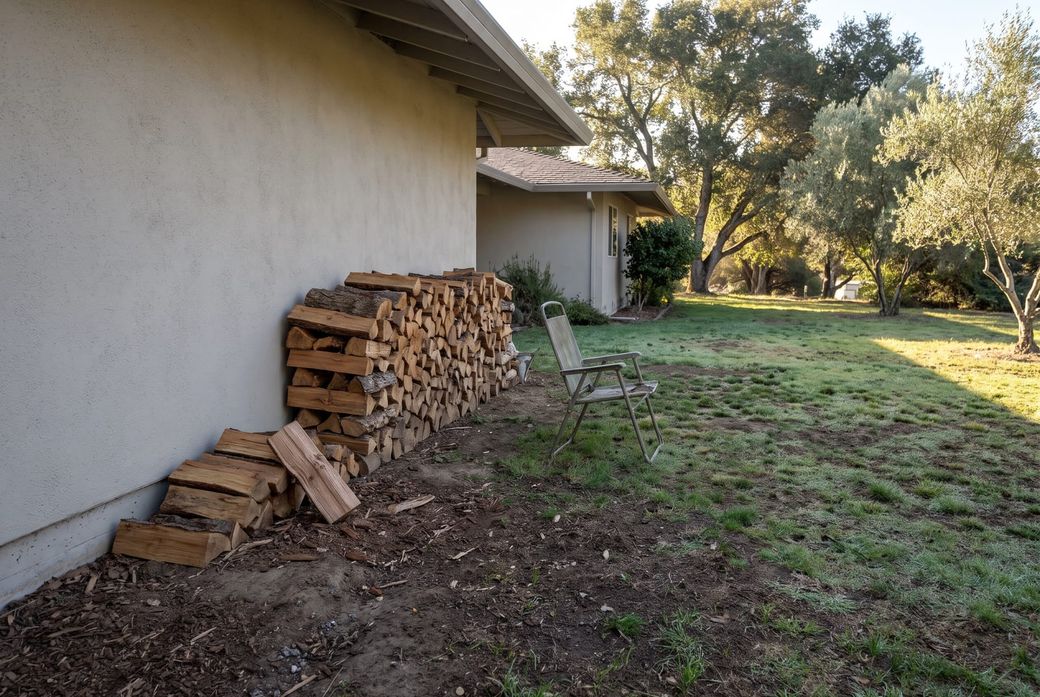
- Firewood piles. Fine in the yard, a problem against the wall.
Recurring visits work through the same list on a schedule, outside first, so ants, spiders and earwigs meet a treatment before they meet your kitchen.
When to Book
Should I book a termite inspection when buying a home?
Yes, early. Schedule it as soon as your offer is accepted so there’s time to price a repair or ask for one before closing. Sellers do well to book before listing, when a surprise is still just a chore.
What if I’ve just seen a swarm?
Collect a few insects in a jar or a bag, note the window or light they gathered at, and call. Vacuum up the rest if you like. Spraying them does nothing for the colony they left.
Does water damage call for an inspection?
It does. Termites and fungus both follow moisture. Give a soaked wall or floor time to dry and to be opened up, then have the wood checked before anything gets closed again.
How often is often enough?
Once a year suits most wood-frame houses around here. Go sooner if you back up to open oak land, keep a planted slope above the house, or have had termites before.